Stakeholder Interview - The Foundation for Setting Design Goals
Stakeholder Interview - The Foundation for Setting Design Goals
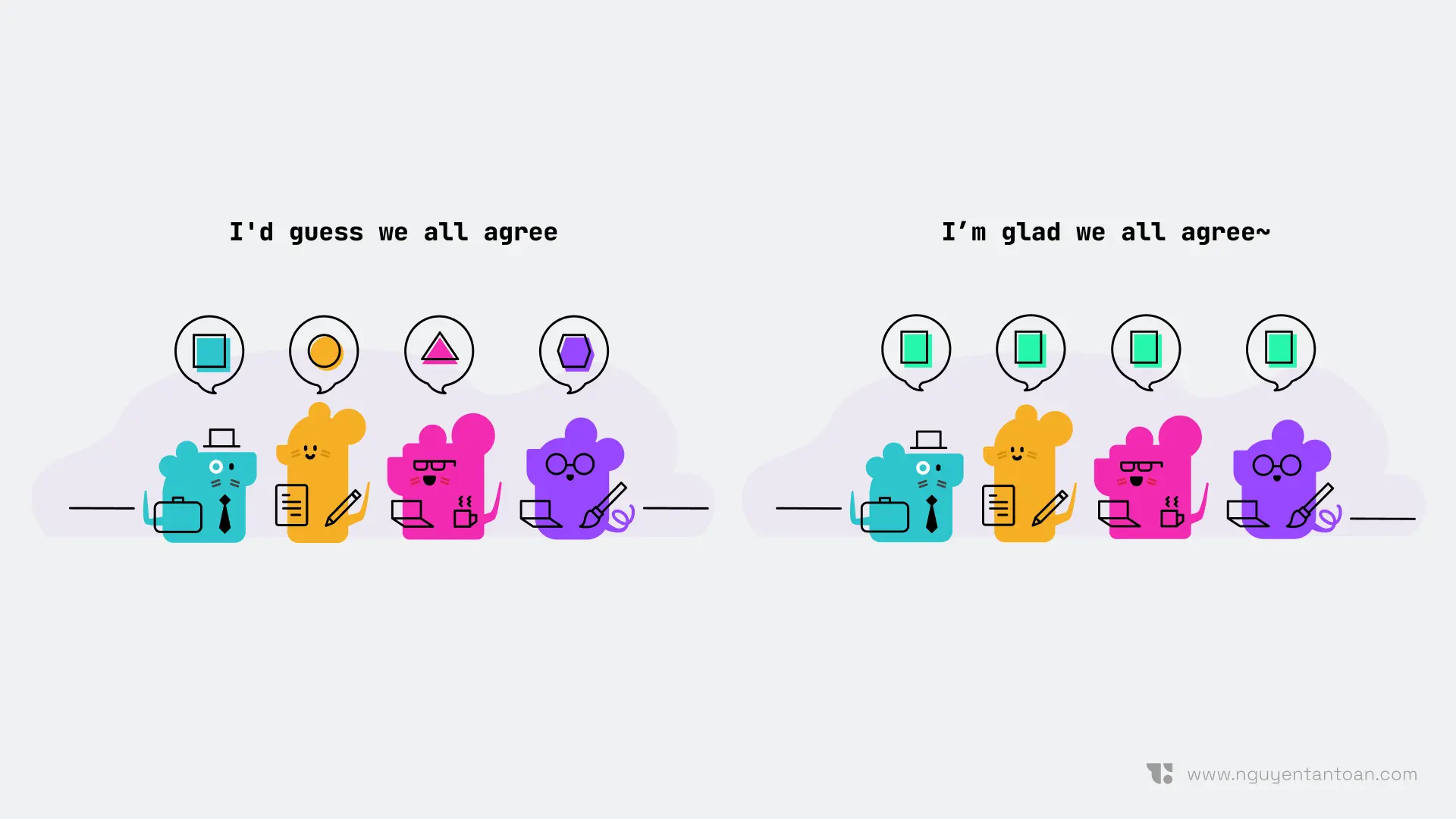
When information or support is lacking, our perspective can easily be limited, making it difficult to identify potential issues. In the project implementation process, no individual can handle all challenges alone. The involvement of stakeholders with the appropriate knowledge and expertise is a crucial factor in making sound decisions and creating an effective user experience.
When information or support is lacking, our perspective can easily be limited, making it difficult to identify potential issues. In the project implementation process, no individual can handle all challenges alone. The involvement of stakeholders with the appropriate knowledge and expertise is a crucial factor in making sound decisions and creating an effective user experience.


Similar to user interviews, interviewing stakeholders can provide you with information about the project and ensure that you do not end up doing irrelevant work or waste time conducting research that has already been completed. We will examine stakeholders in the project and why you need them to participate in your project; how to accomplish that and how to utilize this important information in the design and optimization of the output results.
Stakeholders, who are they?
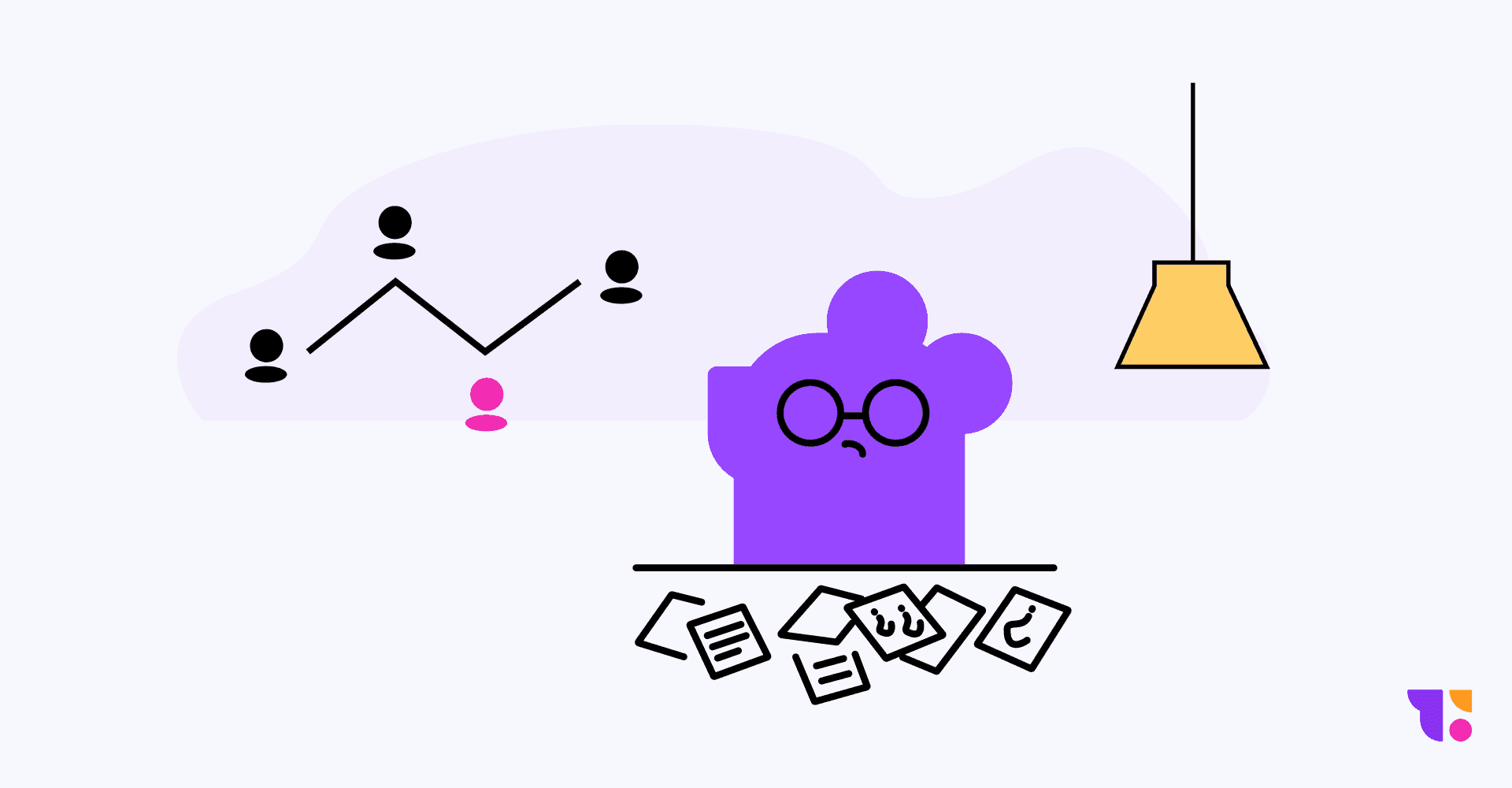
Stakeholder means the parties involved in the project, it can be an individual, a group of people, or an organization that influences the operation and success of a project. Therefore, when implementing a user research project, you should take time to identify who are the most important stakeholders for your design project, and if possible, solicit their cooperation to help realize your design process.
Anyone whose work will be affected by your research is a stakeholder, regardless of seniority or job title. It can be people like customer service experts, who will bear a lot of heavy responsibilities if the design or product experience is poor, or they can be silent partners who may carry the heavy work at the end of a project.
The more relationships you have within an organization, the easier it is to identify your stakeholders. Relying on your team management or people who have good knowledge about the organization can help you find the right individuals to involve.
Potential stakeholders for UX research include:
Influential individuals in the organization
Those who make decisions about time, money, and resources
Involved in the product design process and user experience
Have relevant information about your project
Will work based on the insights from your research
When should you interview stakeholders?
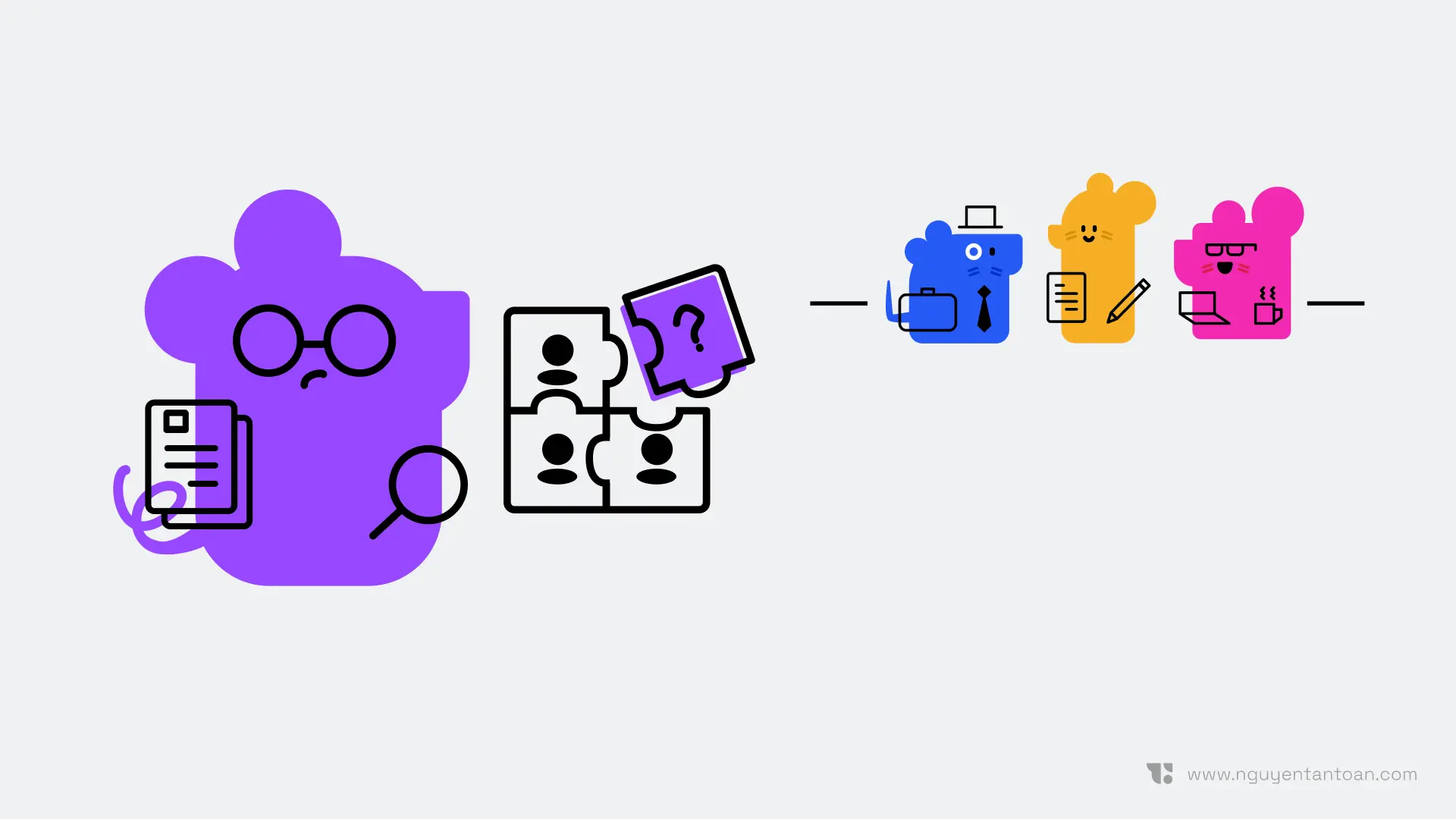
Stakeholder Interviews are an important tool in the early stages of the product development process, when you are trying to identify your goals and plan your research.
Not only in the early stages, for complex or long-term projects, you should sit down and talk to stakeholders at least once in each stage of the product. These ensure that your research is on the right track, the whole team generates new ideas, and collects any additional information that the project may need.
What are the benefits of interviewing stakeholders?
1. Identify goals
Stakeholders contribute to the success of your project. But exactly what do the stakeholders in the project want? What do they need? For stakeholders, what does their success look like?
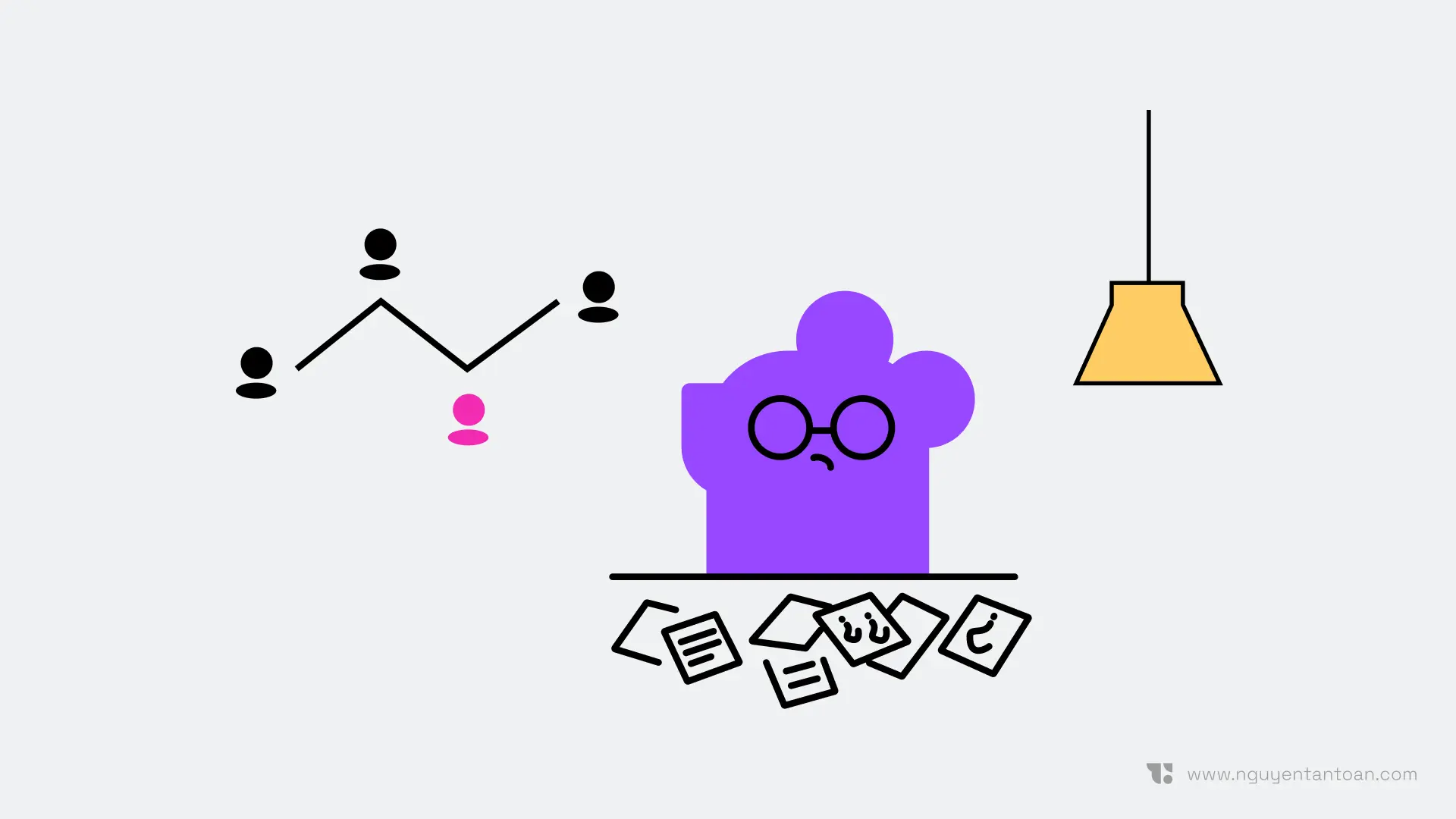
The project summary and design requirements often include ambiguities that can lead to misunderstandings. It is not unusual for stakeholders to have requests that they do not express or write in initial documents because they assume these things are obvious, or because they are unaware of them. Similar to user interviews, interviewing stakeholders helps bring up all the unmentioned objectives, detailing and clarifying nuances that may be overlooked or altered during the working process.
2. Understand limitations and needs
What is the vision for the product? What are the needs at this stage? How is the existing data? What would hinder the sale or marketing of the product? What has worked well in the past? What has not succeeded?
Engaging with stakeholders will provide you with an initial basis on the available resources and help you determine whether the intended studies are necessary. It is likely that they have done some data searches of their own and may even direct you to a database that can save you time and resources. On the other hand, interviewing stakeholders can also reveal their limitations concerning information. Do they know nothing about user needs? Are there some assumptions they are making about what users actually need?
A part of the researcher’s job is to identify the user goals that stakeholders are not focusing on or are even unaware of.
3. Gaining trust
If you do a good job and are truly interested in all aspects of the project, along with a professional approach, you can often engage their participation. Addressing future issues becomes easier when there is trust and communication from the beginning.
Even when stakeholders participate in the user experience research, they may still be skeptical of you (if you are a newcomer). Simply because it directly relates to the resources, time, and costs incurred in their planning.
Interviewing stakeholders is an opportunity for you to establish or maintain relationships with key players in the game, showing interest in their goals, clarifying each party's thoughts, and helping everyone feel as if they have contributed to the project.
Are there any limitations to stakeholder interviews?
Stakeholder interviews come with their own challenges. In terms of limitations, they are small compared to the values gained. However, consider the following when planning stakeholder interviews.
1. It will take time
The entire process takes time – it can take a lot of time. You can often manage the issue simply by scheduling your time so that you only conduct X interviews within a time span of Y. Or you may need to cut down a part of the interview process to finish on time or to combine interviews reasonably.
2. Some stakeholders do not want to participate
Some stakeholders are happy to consult with you. Others may not be as interested. You will have to assess their level of interest in participating in interviews so that you do not ask for information beyond what they are willing to provide. Ensuring your interviews are well-organized and conducted professionally will help elicit confidence from you.
3. Creating expectations
When people are involved in the research process, they tend to develop certain expectations. They want to see results and have answers to their questions. Some stakeholders may even want to learn about the data or view videos from research sessions. Have a communication plan for conveying results throughout the research process and ensure that documents and reports are accessible to stakeholders.
What will you ask stakeholders?
As with any research, the first thing you need to do is figure out your goals – what do you hope to understand from the stakeholders? You should know what you cannot change to focus your research efforts elsewhere.
Here are some key topics to address when you talk to stakeholders:
1. What is this project?
The more you know about the project or product and what the organization hopes to achieve from it, the better you can ensure that the research is relevant.
Project overview:
Introduce a brief history of the project?
What is the reason for undertaking this product/project?
What are the goals of the project?
What needs clarification?
Who are our biggest competitors?
Business goals:
What are the short-term and long-term business goals?
What value does this project bring to the business?
What are the biggest product challenges currently?
2. The roles and benefits of stakeholders in the project
If you understand the background and motivation of stakeholders, you will find it easier to identify where you may encounter opposition or receive support for your research and design changes. Common questions include:
What is your role in this project?
What have you done previously in this project?
What do you personally consider the success of this project?
Do you have any concerns related to this project?
How would you like to participate in user research? (For example: viewing reports, participating in interviews, workshop outcomes.)
Is there anyone else we should talk to?
3. What has been decided about the project?
If you know the limitations of the project, you will find it easier to determine your ambitions regarding research and design changes. Possible questions include:
What has been decided about the project/product so far?
What requirements have been agreed for the product?
What technological decisions have been made and how solid are they?
When will the product be released?
How large is the development team?
4. Who are the users?
By clarifying what people know about users and identifying who the target customers are, you can ensure that your research accurately reflects your users. You may ask:
Who are the customers/users?
What user problem are we solving?
How will we describe the core value of the product to our customers?
What user research has the team conducted that is relevant to this project?
What is the primary context of the product's use?

A few tips for interviewing stakeholders?
1. Plan
Determine what you want to achieve in the interviews. What questions do you need to answer and what is their priority regarding your next steps in the project? Each question you ask should relate to at least one of these goals. This way, stakeholder feedback will be useful for your work.
The interview can lead you and the interviewee anywhere. You should plan, have a list of topics/questions to navigate the interview closely to the original roadmap.
2. Maintain a comfortable and friendly spirit
This is not a type of interview where you work coldly and mechanically; these are people you will be collaborating with a lot in the future. It’s true these people are often busy, but they are also often experts in their fields, and if you break down barriers, conversations can become engaging. You never know what interesting information they may bring to you. However, you should also be prepared for the possibility that some project questions may not be met.
3. Listen to the interview participants
In large organizations, some stakeholders may not be listened to as much as they would like regarding their opinions and perspectives on challenges/risks. Listen more. You will find all the interesting things about how the business operates will affect your project, and you will make another person feel validated as a part of it.
4. Do not assume everything they say is the truth.
We are all human, and we all have to deal with political issues (internally in the organization) and everyone is busy. Some information that your stakeholders say may be incomplete, and some of their biases about customers/users are based on studies, assumptions, or old paradigms. What they have to say is still interesting; just not necessarily the final version of the truth.
5. Be flexible
Be proactive about where they are present. Especially if they are at a high level. Interviews at a morning café, in the company pantry, anywhere you can spend 30-60 minutes with someone will change your perception of the overall project.
6. Let them leave
There’s nothing worse than having the interviewee distracted. If there’s something they need to address—let them go and schedule another session. They will not give their full attention to you when their phone is ringing.
7. Inform them of the benefits
Stakeholders are often busy and do not understand why they need to spend time with you. Do not forget to explain briefly the benefits at the beginning of the conversation, and even more so when you conclude the request. Show that you are using their time wisely and for their benefit.
In summary, proactivity will be well rewarded. One way or another, there is always a network of different stakeholders that the product is designed to meet. Interviewing stakeholders is a great way to get the lay of the land. They help you understand user behaviors, differentiate constraints, and identify pain points.

Similar to user interviews, interviewing stakeholders can provide you with information about the project and ensure that you do not end up doing irrelevant work or waste time conducting research that has already been completed. We will examine stakeholders in the project and why you need them to participate in your project; how to accomplish that and how to utilize this important information in the design and optimization of the output results.
Stakeholders, who are they?
Stakeholder means the parties involved in the project, it can be an individual, a group of people, or an organization that influences the operation and success of a project. Therefore, when implementing a user research project, you should take time to identify who are the most important stakeholders for your design project, and if possible, solicit their cooperation to help realize your design process.
Anyone whose work will be affected by your research is a stakeholder, regardless of seniority or job title. It can be people like customer service experts, who will bear a lot of heavy responsibilities if the design or product experience is poor, or they can be silent partners who may carry the heavy work at the end of a project.
The more relationships you have within an organization, the easier it is to identify your stakeholders. Relying on your team management or people who have good knowledge about the organization can help you find the right individuals to involve.
Potential stakeholders for UX research include:
Influential individuals in the organization
Those who make decisions about time, money, and resources
Involved in the product design process and user experience
Have relevant information about your project
Will work based on the insights from your research
When should you interview stakeholders?
Stakeholder Interviews are an important tool in the early stages of the product development process, when you are trying to identify your goals and plan your research.
Not only in the early stages, for complex or long-term projects, you should sit down and talk to stakeholders at least once in each stage of the product. These ensure that your research is on the right track, the whole team generates new ideas, and collects any additional information that the project may need.
What are the benefits of interviewing stakeholders?
1. Identify goals
Stakeholders contribute to the success of your project. But exactly what do the stakeholders in the project want? What do they need? For stakeholders, what does their success look like?
The project summary and design requirements often include ambiguities that can lead to misunderstandings. It is not unusual for stakeholders to have requests that they do not express or write in initial documents because they assume these things are obvious, or because they are unaware of them. Similar to user interviews, interviewing stakeholders helps bring up all the unmentioned objectives, detailing and clarifying nuances that may be overlooked or altered during the working process.
2. Understand limitations and needs
What is the vision for the product? What are the needs at this stage? How is the existing data? What would hinder the sale or marketing of the product? What has worked well in the past? What has not succeeded?
Engaging with stakeholders will provide you with an initial basis on the available resources and help you determine whether the intended studies are necessary. It is likely that they have done some data searches of their own and may even direct you to a database that can save you time and resources. On the other hand, interviewing stakeholders can also reveal their limitations concerning information. Do they know nothing about user needs? Are there some assumptions they are making about what users actually need?
A part of the researcher’s job is to identify the user goals that stakeholders are not focusing on or are even unaware of.
3. Gaining trust
If you do a good job and are truly interested in all aspects of the project, along with a professional approach, you can often engage their participation. Addressing future issues becomes easier when there is trust and communication from the beginning.
Even when stakeholders participate in the user experience research, they may still be skeptical of you (if you are a newcomer). Simply because it directly relates to the resources, time, and costs incurred in their planning.
Interviewing stakeholders is an opportunity for you to establish or maintain relationships with key players in the game, showing interest in their goals, clarifying each party's thoughts, and helping everyone feel as if they have contributed to the project.
Are there any limitations to stakeholder interviews?
Stakeholder interviews come with their own challenges. In terms of limitations, they are small compared to the values gained. However, consider the following when planning stakeholder interviews.
1. It will take time
The entire process takes time – it can take a lot of time. You can often manage the issue simply by scheduling your time so that you only conduct X interviews within a time span of Y. Or you may need to cut down a part of the interview process to finish on time or to combine interviews reasonably.
2. Some stakeholders do not want to participate
Some stakeholders are happy to consult with you. Others may not be as interested. You will have to assess their level of interest in participating in interviews so that you do not ask for information beyond what they are willing to provide. Ensuring your interviews are well-organized and conducted professionally will help elicit confidence from you.
3. Creating expectations
When people are involved in the research process, they tend to develop certain expectations. They want to see results and have answers to their questions. Some stakeholders may even want to learn about the data or view videos from research sessions. Have a communication plan for conveying results throughout the research process and ensure that documents and reports are accessible to stakeholders.
What will you ask stakeholders?
As with any research, the first thing you need to do is figure out your goals – what do you hope to understand from the stakeholders? You should know what you cannot change to focus your research efforts elsewhere.
Here are some key topics to address when you talk to stakeholders:
1. What is this project?
The more you know about the project or product and what the organization hopes to achieve from it, the better you can ensure that the research is relevant.
Project overview:
Introduce a brief history of the project?
What is the reason for undertaking this product/project?
What are the goals of the project?
What needs clarification?
Who are our biggest competitors?
Business goals:
What are the short-term and long-term business goals?
What value does this project bring to the business?
What are the biggest product challenges currently?
2. The roles and benefits of stakeholders in the project
If you understand the background and motivation of stakeholders, you will find it easier to identify where you may encounter opposition or receive support for your research and design changes. Common questions include:
What is your role in this project?
What have you done previously in this project?
What do you personally consider the success of this project?
Do you have any concerns related to this project?
How would you like to participate in user research? (For example: viewing reports, participating in interviews, workshop outcomes.)
Is there anyone else we should talk to?
3. What has been decided about the project?
If you know the limitations of the project, you will find it easier to determine your ambitions regarding research and design changes. Possible questions include:
What has been decided about the project/product so far?
What requirements have been agreed for the product?
What technological decisions have been made and how solid are they?
When will the product be released?
How large is the development team?
4. Who are the users?
By clarifying what people know about users and identifying who the target customers are, you can ensure that your research accurately reflects your users. You may ask:
Who are the customers/users?
What user problem are we solving?
How will we describe the core value of the product to our customers?
What user research has the team conducted that is relevant to this project?
What is the primary context of the product's use?
A few tips for interviewing stakeholders?
1. Plan
Determine what you want to achieve in the interviews. What questions do you need to answer and what is their priority regarding your next steps in the project? Each question you ask should relate to at least one of these goals. This way, stakeholder feedback will be useful for your work.
The interview can lead you and the interviewee anywhere. You should plan, have a list of topics/questions to navigate the interview closely to the original roadmap.
2. Maintain a comfortable and friendly spirit
This is not a type of interview where you work coldly and mechanically; these are people you will be collaborating with a lot in the future. It’s true these people are often busy, but they are also often experts in their fields, and if you break down barriers, conversations can become engaging. You never know what interesting information they may bring to you. However, you should also be prepared for the possibility that some project questions may not be met.
3. Listen to the interview participants
In large organizations, some stakeholders may not be listened to as much as they would like regarding their opinions and perspectives on challenges/risks. Listen more. You will find all the interesting things about how the business operates will affect your project, and you will make another person feel validated as a part of it.
4. Do not assume everything they say is the truth.
We are all human, and we all have to deal with political issues (internally in the organization) and everyone is busy. Some information that your stakeholders say may be incomplete, and some of their biases about customers/users are based on studies, assumptions, or old paradigms. What they have to say is still interesting; just not necessarily the final version of the truth.
5. Be flexible
Be proactive about where they are present. Especially if they are at a high level. Interviews at a morning café, in the company pantry, anywhere you can spend 30-60 minutes with someone will change your perception of the overall project.
6. Let them leave
There’s nothing worse than having the interviewee distracted. If there’s something they need to address—let them go and schedule another session. They will not give their full attention to you when their phone is ringing.
7. Inform them of the benefits
Stakeholders are often busy and do not understand why they need to spend time with you. Do not forget to explain briefly the benefits at the beginning of the conversation, and even more so when you conclude the request. Show that you are using their time wisely and for their benefit.
In summary, proactivity will be well rewarded. One way or another, there is always a network of different stakeholders that the product is designed to meet. Interviewing stakeholders is a great way to get the lay of the land. They help you understand user behaviors, differentiate constraints, and identify pain points.
RELATED ARTICLE
RELATED ARTICLE
RECENT POST




ACCESSIBILITY
I believe that good design should be for everyone and am always committed to providing the most accessible experience. If you have trouble accessing the website, feel free to leave me a message.
NOTE
Website Design and Development by Toan Nguyen. Using the font Space Gortek (Colophon Foundry); Newseader (Production Type). Built on the Framer platform.
Copyright © 2018 – 2025 Toan Nguyen
ACCESSIBILITY
I believe that good design should be for everyone and am always committed to providing the most accessible experience. If you have trouble accessing the website, feel free to leave me a message.
NOTE
Website Design and Development by Toan Nguyen. Using the font Space Gortek (Colophon Foundry); Newseader (Production Type). Built on the Framer platform.
Copyright © 2018 – 2025 Toan Nguyen
ACCESSIBILITY
I believe that good design should be for everyone and am always committed to providing the most accessible experience. If you have trouble accessing the website, feel free to leave me a message.
NOTE
Website Design and Development by Toan Nguyen. Using the font Space Gortek (Colophon Foundry); Newseader (Production Type). Built on the Framer platform.
Copyright © 2018 – 2025 Toan Nguyen