Why are Hype Sneakers "Out of Style"? A Perspective from User Experience
Why are Hype Sneakers "Out of Style"? A Perspective from User Experience
On a beautiful day, an old photo of the "hype" sneakers displayed on my Facebook newsfeed evokes a question in me: why has something that was once a passion for an entire generation quietly faded away? Let's dive deeper and explore the answer from the perspective of user experience and behavioral psychology.
On a beautiful day, an old photo of the "hype" sneakers displayed on my Facebook newsfeed evokes a question in me: why has something that was once a passion for an entire generation quietly faded away? Let's dive deeper and explore the answer from the perspective of user experience and behavioral psychology.

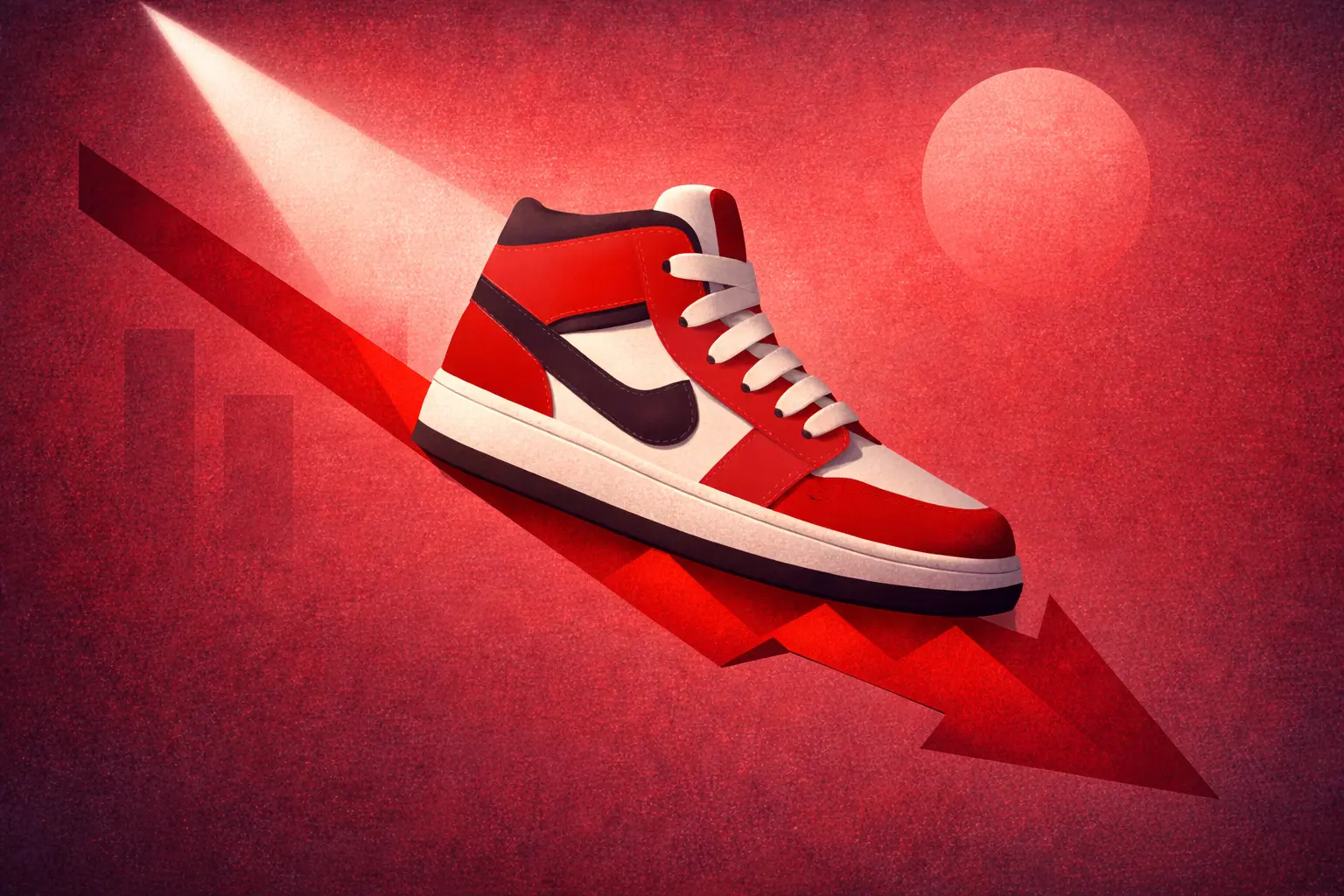
Today, I happened to scroll back to an old photo - a picture of me and the "hype" sneaker shoes that used to be a treasure back in the day. Looking at that image of the shoes, I suddenly thought to myself: Why can something that once captivated an entire generation fade away in today's life? The sneaker hype movement in Vietnam is a perfect case study of a "social product" that is designed too well to succeed, and also too well to self-destruct.
This article shares thoughts on the changes in the sneaker movement in Vietnam through the perspective of User Experience (UX) and Behavioral Psychology, focusing on factors such as social signals, trust, and the need for self-expression. External factors like the economy post-pandemic, speculation, or the resale market will not be discussed in depth.
Sneaker - Not Just Shoes
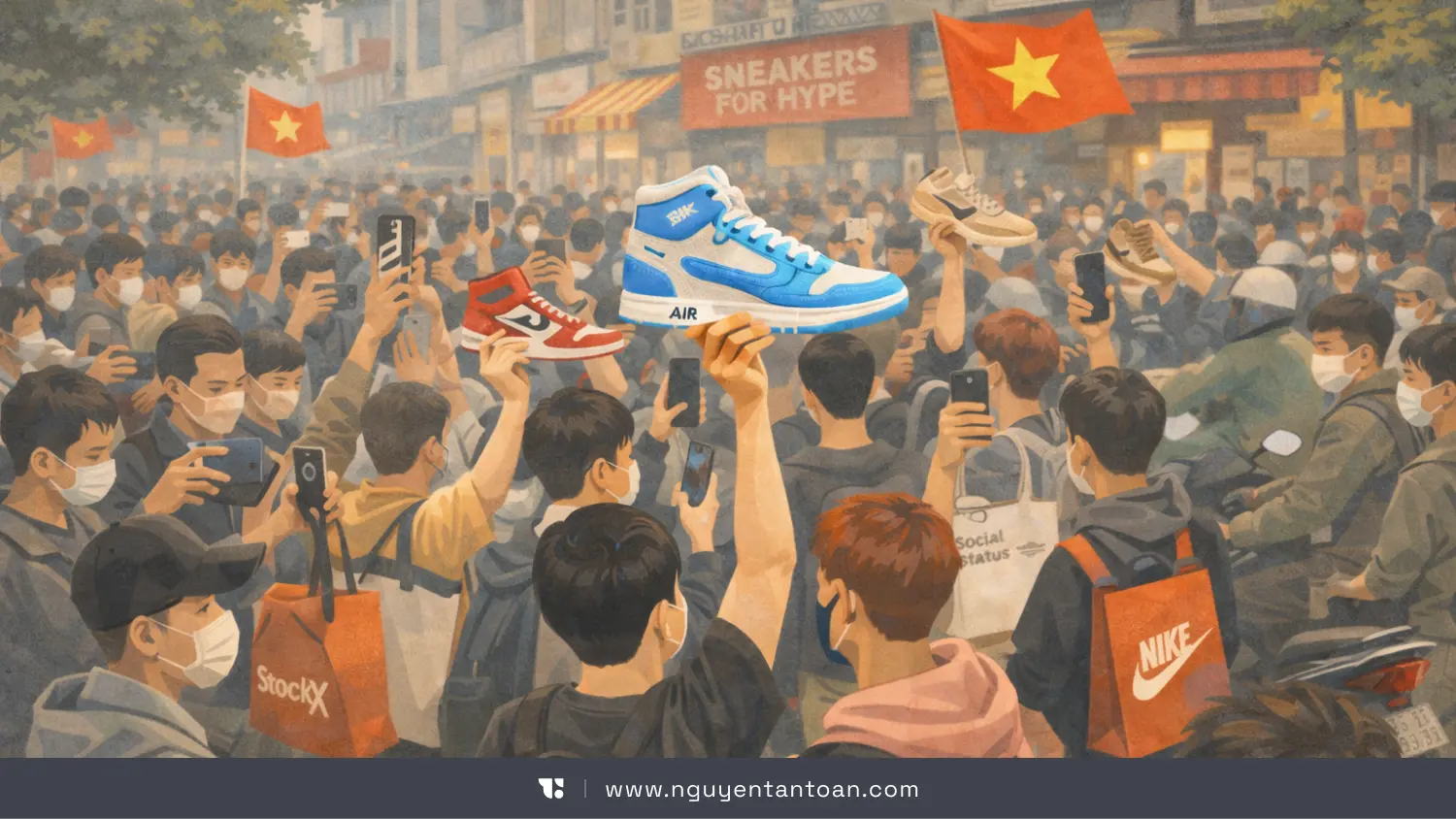
In Vietnam from 2017 to 2020, sneakers have far surpassed the function of a regular pair of shoes to become a powerful cultural and social symbol among the youth. At this point, sneakers are not just footwear, but have become a signal for self-expression, to assert one's status and to define the owner’s place in a non-official social order.
From the lens of user experience (UX) and behavioral psychology, the lifecycle of the "boom-bust" of the sneaker hype movement is not merely a fashion story but a typical case study of “Social Signaling” - how people use products as tools to convey their self-image to the surrounding world.
Social Interface for Self-Presentation
In essence, sneakers (and of course the entire outfit) act as a layer of user interface (User Interface) over the human body. Every time we step out, we unconsciously present our self-image for others to observe. From clothes, shoes to accessories, everything works as signals that help those around guess who we are, which group we belong to, and how we want to be perceived.
A pair of Jordans or Yeezys once served as familiar icons: just a glance is enough to understand what the wearer is trying to convey. I belong to this trend. I have money. I have style. I am not outside the game. Because it is so easy to read, sneaker hype once had a very good UX (user experience). It minimized cognitive load (the mental effort needed to understand) for viewers. No need to ask, no need to research, the signal is clear within a fraction of a second.
The Peak of Social ROI
*ROI (Return On Investment) translates to "Profitability Ratio over Investment Cost"
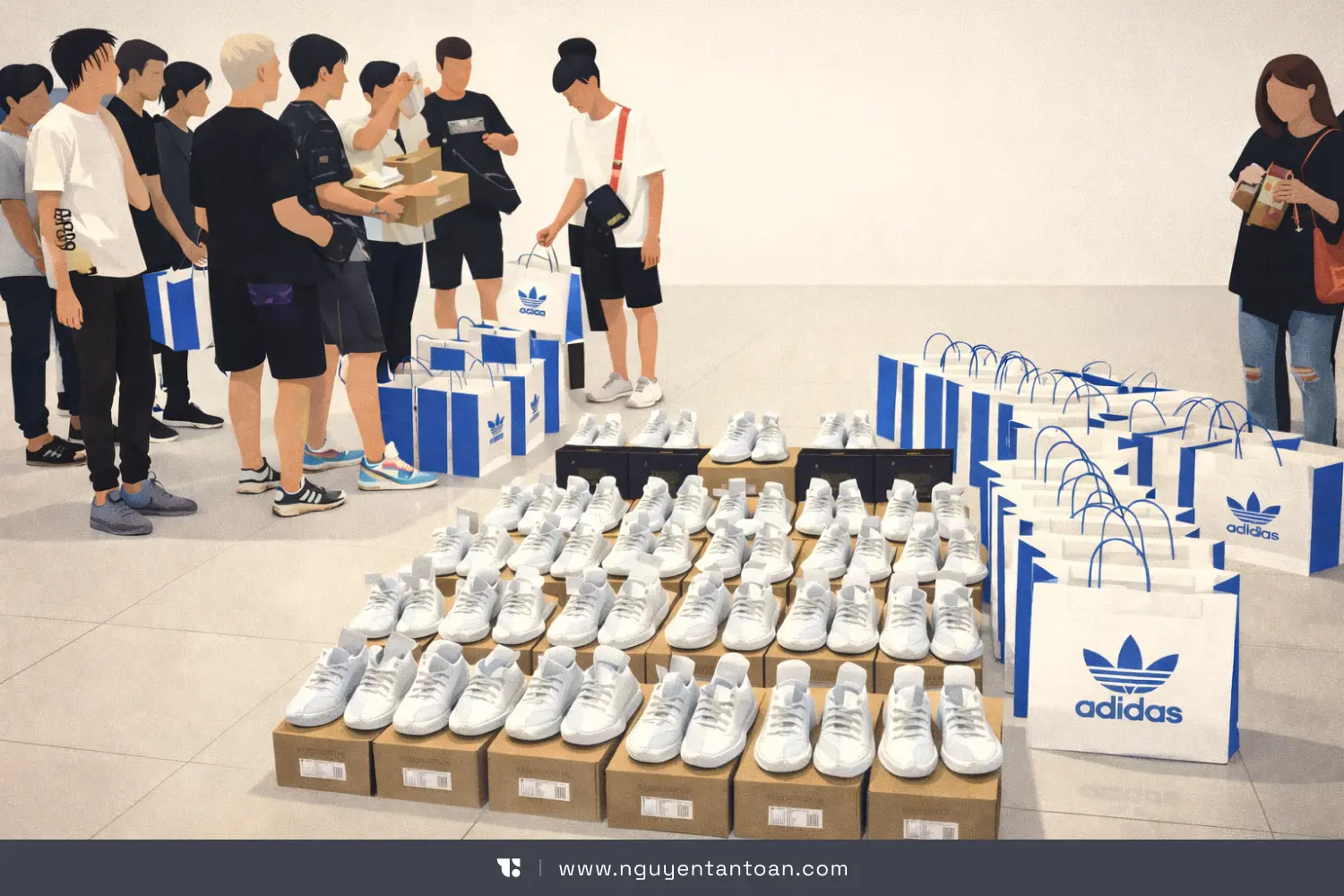
At the peak, when a pair of sneakers seems to say it all. Although the money spent isn’t small, the social value that the owner receives is many times greater. It may come in the form of admiring glances, recognition from the community, or the special feeling of being part of the "in-the-know" group.
In experiential terms, this is the time when the “emotional profit” and status reaches its highest compared to the “capital” spent. The buyers feel that their decision is completely worthwhile, as the intangible social rewards far exceed the tangible financial costs.
When Signals Are Abused and Experiences Begin to Collapse
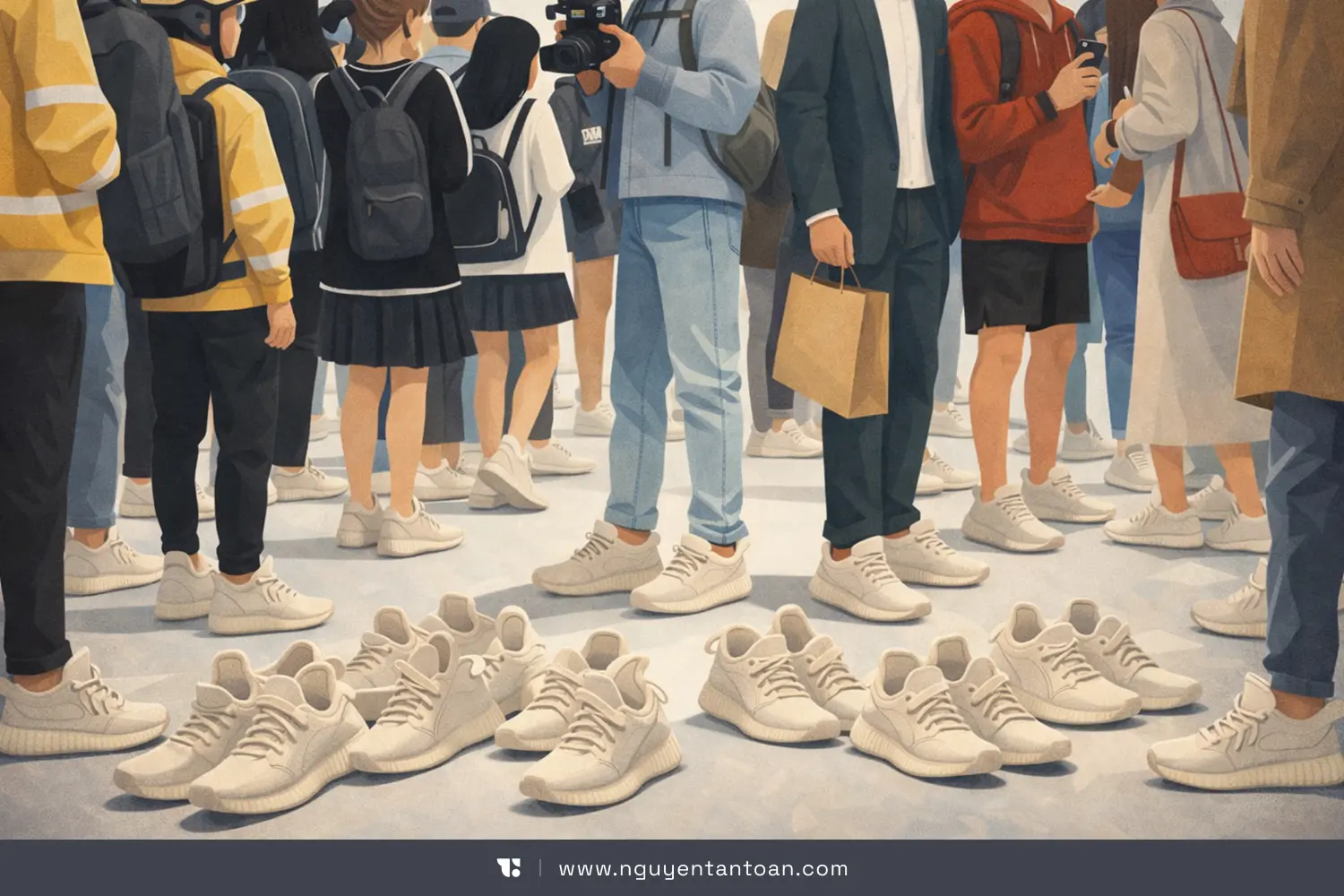
The problem starts when signals are overused. In experience design, a signal that appears too often will gradually lose its inherent meaning. When everyone is wearing Jordans, Yeezys, or Dunks; be they fake or real, students, delivery persons, influencers, ... all wearing them (and here I do not intend to differentiate classes); seeing them will no longer create any distinction.
The viewers can no longer decipher the message behind it. The same exterior image, but presented by too many different individuals, in countless different contexts, causes the original meaning to fade. The identification experience that was once clear and interesting now becomes mundane and meaningless.
Oversaturation Trends and the Devaluation of Symbols
At a certain point, the sneaker craze in Vietnam has fallen into a state that can be called a pattern that has been abused to the point of losing effectiveness. When everyone emits the same signal, there is no signal that is special anymore.
It is like a call to action that was once very effective but has been placed all over the place, making people gradually learn to ignore it. When a signal no longer elicits a response, it is no longer a signal. It becomes background noise — something that still exists, but no one really pays attention to anymore.
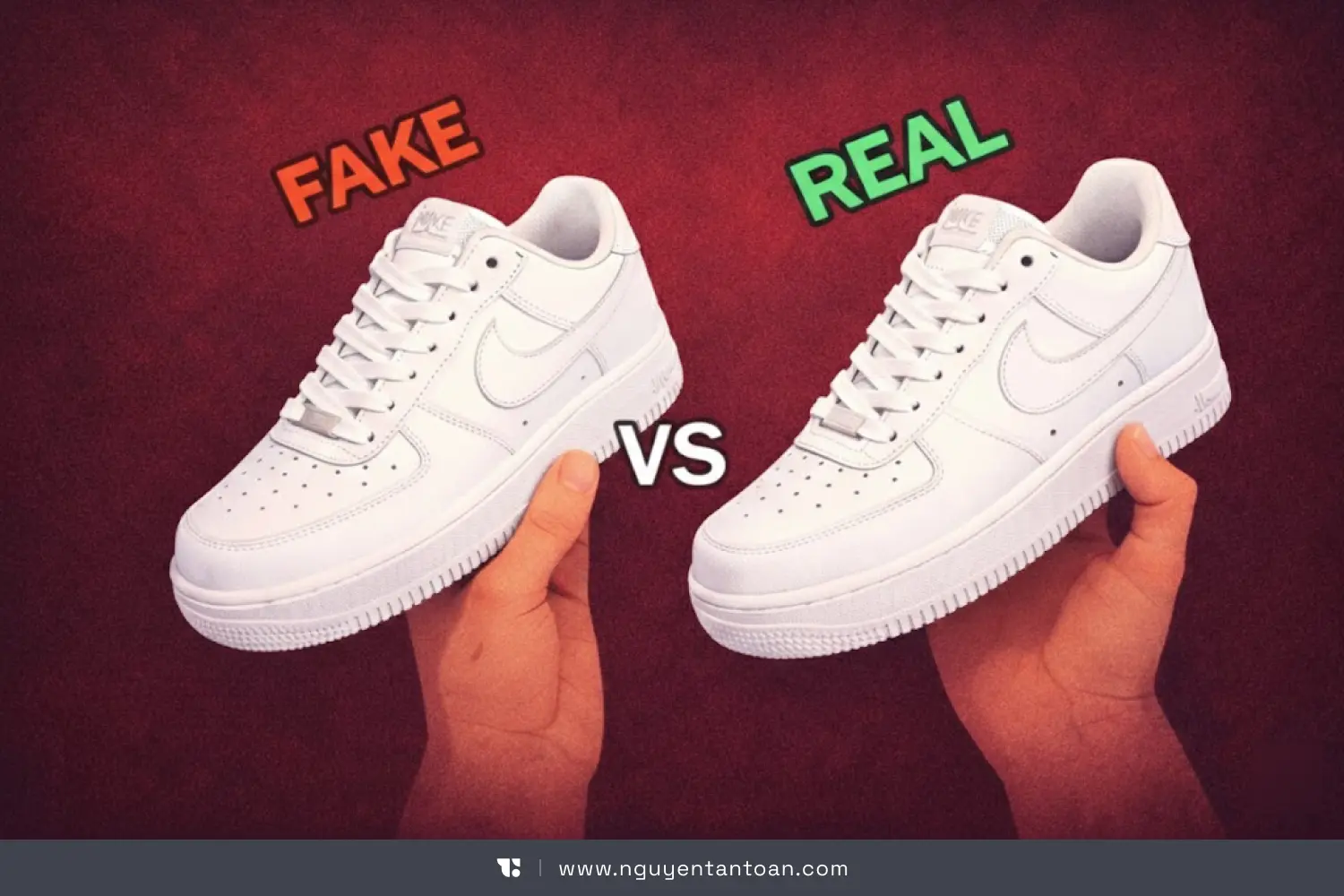
Counterfeit Goods and the Collapse of Trust Levels
The second factor that undermines the experience lies at a deeper level: Trust. Social signals only have value when there is an implicit trust between the sender and the receiver. I possess an item, and others believe it reflects my true effort, actual financial capability, or authentic aesthetic choices.
When counterfeit goods flood the market and become increasingly sophisticated, the fundamental trust collapses. Viewers can no longer be certain if what they see is trustworthy. The wearer also wonders whether they are truly recognized or merely seen as "faking it." The social experience at this point becomes awkward and insecure, like using an application where the displayed data may be right or wrong, causing no one to dare rely on it to make any judgments.
When Emotional Costs Exceed Benefits
When trust has shattered, the experience is fundamentally dead. No one needs to declare that the sneaker movement has faded; users naturally drift away when they feel that participation is no longer worth the effort and money.
An expensive pair of shoes no longer brings feelings of pride or confidence, but instead may bear the scrutiny and suspicion of others. Psychologically, this is precisely the moment when the emotional cost has far exceeded any potential benefits.
Gen Z & The Shift in Fashion "Language"
Another key factor is the change in the signaling strategy of the younger generation. Gen Z does not abandon the need for self-expression - the essence of being human has always craved to be seen and understood. The only change is the method they choose to convey the message.
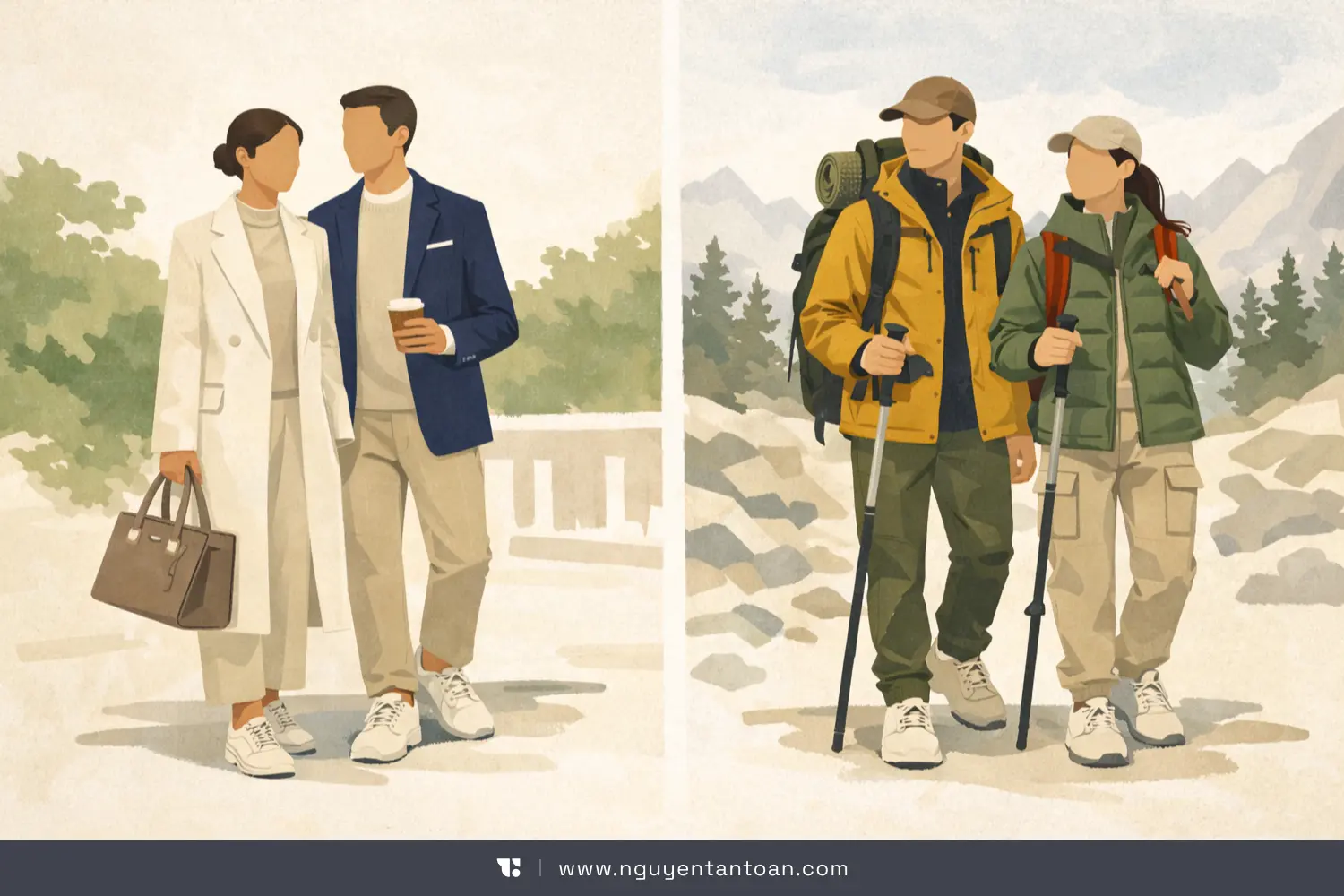
Gen Z is redefining fashion - from overt signals to subtle language. Instead of hype sneakers and flashy logos, they opt for minimalist designs, neutral tones, and quiet luxury. Reports from McKinsey to GenZ Footwear confirm: this generation prioritizes timeless, sustainable designs and intentional discretion. This is not just a change in aesthetic taste, but a strategy to optimize social experiences - creating a fashion "code" that is selective in understanding, aiming to seek real connections rather than superficial recognition.
The shift from overt fashion signals (hype sneakers, extravagant brand logos) to subtle, nuanced signals (minimalist sneakers, neutral tones, quiet luxury) marks progress in self-expression strategies. Reports from McKinsey, GenZ Footwear all point in the same direction: they prioritize timeless, sustainable designs and intentional discretion, rather than loud status symbols. This trend is not just about aesthetic taste, but about optimizing social experiences — creating a new “language” that is selective in understanding yet carries weight, seeking substantial connections instead of superficial acknowledgment.
Once, hype sneakers were like a large billboard — overt, clear, and understood by all. Today, it resembles a subtle gesture — only those in the same culture, with similar insight will notice and decipher it. This change creates a sense of selectivity and closeness, two important factors for building social value in the new era.
Sneaker Hype and the Issue of Personalization
Sneaker hype still suffers from a critical weakness: a lack of true personalization. Popular sneaker lines often come with a preset story and a nearly identical way of expression.
Wearing a pair of Jordan 1s, you easily fall into a pre-defined mold: how to pair outfits, how to pose, how to post pictures. For a generation that sees personal identity as something complex, multi-layered, and constantly evolving, such "identity-framing" products become less appealing. They do not allow users to write their own story but can only play a role in a scripted play.
Elegant Subtlety: A High-Level Experience
In contrast, trends like quiet luxury or gorpcore emphasize flexibility in expression. They do not impose a single story but open up space for users to infuse their lived experiences, habits, and personal values.
This is precisely why signals with fewer logos and less ostentation carry weight. They do not attempt to "speak for" the owner, but simply serve as a "frame" of subtlety, allowing each person to fill it with their own story and meaning.
Sneakers as a Digital Product
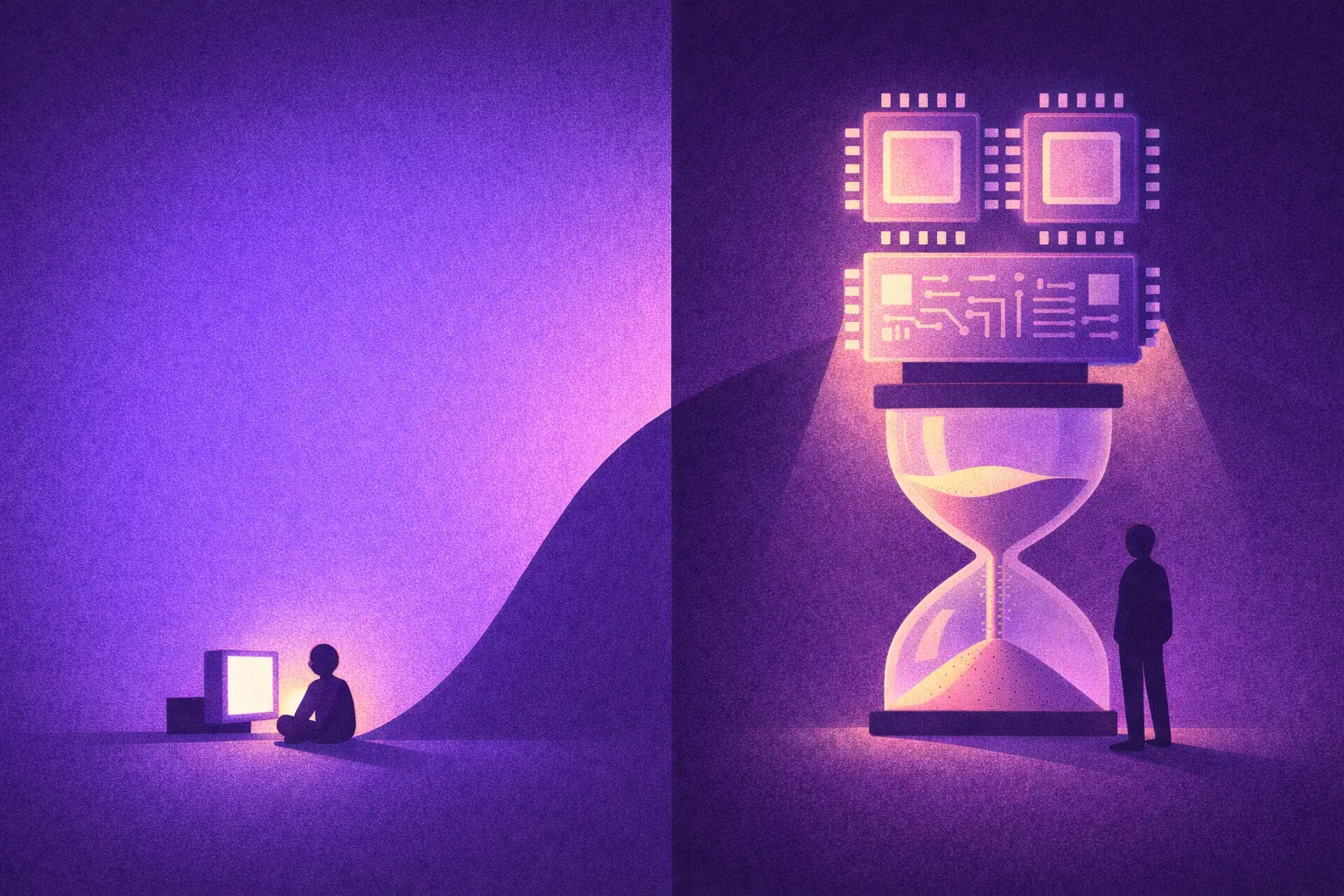
If sneakers are likened to a digital product, Jordans and Yeezys were once applications with perfect onboarding : easy to use, easy to show off, and quickly helped users integrate. However, over time, these products did not succeed in "updating their versions" to align with the new context and values of users.
Meanwhile, less popular brands function more like specialist tools. They do not target the majority, do not try to please everyone, but provide users with a sense of control, understanding, and depth that a true tool offers. This is the difference between a mainstream application and a software meant for the knowledgeable.
Conclusion
The cooling down of the sneaker craze in Vietnam does not mean that the love for shoes has faded. It is simply a natural selection process for a social experience that is no longer relevant. When signals become vague, trust erodes, and individuality is restricted, users will seek other channels for expression. They do not abandon the need to express themselves; they simply reject the "interfaces" that no longer convey their true story.
From the perspective of user experience and behavioral psychology, this is a profound lesson for any product maker. Loyal users do not stick around for flashy appearances or temporary symbolic values. They engage because that product helps them communicate with the world authentically, effectively, and accurately reflecting who they are at that moment. Once the product can no longer achieve this, no matter how dominant it once was in the market, it will soon be left behind.
Today, I happened to scroll back to an old photo - a picture of me and the "hype" sneaker shoes that used to be a treasure back in the day. Looking at that image of the shoes, I suddenly thought to myself: Why can something that once captivated an entire generation fade away in today's life? The sneaker hype movement in Vietnam is a perfect case study of a "social product" that is designed too well to succeed, and also too well to self-destruct.
This article shares thoughts on the changes in the sneaker movement in Vietnam through the perspective of User Experience (UX) and Behavioral Psychology, focusing on factors such as social signals, trust, and the need for self-expression. External factors like the economy post-pandemic, speculation, or the resale market will not be discussed in depth.
Sneaker - Not Just Shoes
In Vietnam from 2017 to 2020, sneakers have far surpassed the function of a regular pair of shoes to become a powerful cultural and social symbol among the youth. At this point, sneakers are not just footwear, but have become a signal for self-expression, to assert one's status and to define the owner’s place in a non-official social order.
From the lens of user experience (UX) and behavioral psychology, the lifecycle of the "boom-bust" of the sneaker hype movement is not merely a fashion story but a typical case study of “Social Signaling” - how people use products as tools to convey their self-image to the surrounding world.
Social Interface for Self-Presentation
In essence, sneakers (and of course the entire outfit) act as a layer of user interface (User Interface) over the human body. Every time we step out, we unconsciously present our self-image for others to observe. From clothes, shoes to accessories, everything works as signals that help those around guess who we are, which group we belong to, and how we want to be perceived.
A pair of Jordans or Yeezys once served as familiar icons: just a glance is enough to understand what the wearer is trying to convey. I belong to this trend. I have money. I have style. I am not outside the game. Because it is so easy to read, sneaker hype once had a very good UX (user experience). It minimized cognitive load (the mental effort needed to understand) for viewers. No need to ask, no need to research, the signal is clear within a fraction of a second.
The Peak of Social ROI
*ROI (Return On Investment) translates to "Profitability Ratio over Investment Cost"
At the peak, when a pair of sneakers seems to say it all. Although the money spent isn’t small, the social value that the owner receives is many times greater. It may come in the form of admiring glances, recognition from the community, or the special feeling of being part of the "in-the-know" group.
In experiential terms, this is the time when the “emotional profit” and status reaches its highest compared to the “capital” spent. The buyers feel that their decision is completely worthwhile, as the intangible social rewards far exceed the tangible financial costs.
When Signals Are Abused and Experiences Begin to Collapse
The problem starts when signals are overused. In experience design, a signal that appears too often will gradually lose its inherent meaning. When everyone is wearing Jordans, Yeezys, or Dunks; be they fake or real, students, delivery persons, influencers, ... all wearing them (and here I do not intend to differentiate classes); seeing them will no longer create any distinction.
The viewers can no longer decipher the message behind it. The same exterior image, but presented by too many different individuals, in countless different contexts, causes the original meaning to fade. The identification experience that was once clear and interesting now becomes mundane and meaningless.
Oversaturation Trends and the Devaluation of Symbols
At a certain point, the sneaker craze in Vietnam has fallen into a state that can be called a pattern that has been abused to the point of losing effectiveness. When everyone emits the same signal, there is no signal that is special anymore.
It is like a call to action that was once very effective but has been placed all over the place, making people gradually learn to ignore it. When a signal no longer elicits a response, it is no longer a signal. It becomes background noise — something that still exists, but no one really pays attention to anymore.
Counterfeit Goods and the Collapse of Trust Levels
The second factor that undermines the experience lies at a deeper level: Trust. Social signals only have value when there is an implicit trust between the sender and the receiver. I possess an item, and others believe it reflects my true effort, actual financial capability, or authentic aesthetic choices.
When counterfeit goods flood the market and become increasingly sophisticated, the fundamental trust collapses. Viewers can no longer be certain if what they see is trustworthy. The wearer also wonders whether they are truly recognized or merely seen as "faking it." The social experience at this point becomes awkward and insecure, like using an application where the displayed data may be right or wrong, causing no one to dare rely on it to make any judgments.
When Emotional Costs Exceed Benefits
When trust has shattered, the experience is fundamentally dead. No one needs to declare that the sneaker movement has faded; users naturally drift away when they feel that participation is no longer worth the effort and money.
An expensive pair of shoes no longer brings feelings of pride or confidence, but instead may bear the scrutiny and suspicion of others. Psychologically, this is precisely the moment when the emotional cost has far exceeded any potential benefits.
Gen Z & The Shift in Fashion "Language"
Another key factor is the change in the signaling strategy of the younger generation. Gen Z does not abandon the need for self-expression - the essence of being human has always craved to be seen and understood. The only change is the method they choose to convey the message.
Gen Z is redefining fashion - from overt signals to subtle language. Instead of hype sneakers and flashy logos, they opt for minimalist designs, neutral tones, and quiet luxury. Reports from McKinsey to GenZ Footwear confirm: this generation prioritizes timeless, sustainable designs and intentional discretion. This is not just a change in aesthetic taste, but a strategy to optimize social experiences - creating a fashion "code" that is selective in understanding, aiming to seek real connections rather than superficial recognition.
The shift from overt fashion signals (hype sneakers, extravagant brand logos) to subtle, nuanced signals (minimalist sneakers, neutral tones, quiet luxury) marks progress in self-expression strategies. Reports from McKinsey, GenZ Footwear all point in the same direction: they prioritize timeless, sustainable designs and intentional discretion, rather than loud status symbols. This trend is not just about aesthetic taste, but about optimizing social experiences — creating a new “language” that is selective in understanding yet carries weight, seeking substantial connections instead of superficial acknowledgment.
Once, hype sneakers were like a large billboard — overt, clear, and understood by all. Today, it resembles a subtle gesture — only those in the same culture, with similar insight will notice and decipher it. This change creates a sense of selectivity and closeness, two important factors for building social value in the new era.
Sneaker Hype and the Issue of Personalization
Sneaker hype still suffers from a critical weakness: a lack of true personalization. Popular sneaker lines often come with a preset story and a nearly identical way of expression.
Wearing a pair of Jordan 1s, you easily fall into a pre-defined mold: how to pair outfits, how to pose, how to post pictures. For a generation that sees personal identity as something complex, multi-layered, and constantly evolving, such "identity-framing" products become less appealing. They do not allow users to write their own story but can only play a role in a scripted play.
Elegant Subtlety: A High-Level Experience
In contrast, trends like quiet luxury or gorpcore emphasize flexibility in expression. They do not impose a single story but open up space for users to infuse their lived experiences, habits, and personal values.
This is precisely why signals with fewer logos and less ostentation carry weight. They do not attempt to "speak for" the owner, but simply serve as a "frame" of subtlety, allowing each person to fill it with their own story and meaning.
Sneakers as a Digital Product
If sneakers are likened to a digital product, Jordans and Yeezys were once applications with perfect onboarding : easy to use, easy to show off, and quickly helped users integrate. However, over time, these products did not succeed in "updating their versions" to align with the new context and values of users.
Meanwhile, less popular brands function more like specialist tools. They do not target the majority, do not try to please everyone, but provide users with a sense of control, understanding, and depth that a true tool offers. This is the difference between a mainstream application and a software meant for the knowledgeable.
Conclusion
The cooling down of the sneaker craze in Vietnam does not mean that the love for shoes has faded. It is simply a natural selection process for a social experience that is no longer relevant. When signals become vague, trust erodes, and individuality is restricted, users will seek other channels for expression. They do not abandon the need to express themselves; they simply reject the "interfaces" that no longer convey their true story.
From the perspective of user experience and behavioral psychology, this is a profound lesson for any product maker. Loyal users do not stick around for flashy appearances or temporary symbolic values. They engage because that product helps them communicate with the world authentically, effectively, and accurately reflecting who they are at that moment. Once the product can no longer achieve this, no matter how dominant it once was in the market, it will soon be left behind.
RELATED ARTICLE
RELATED ARTICLE
RECENT POST



ACCESSIBILITY
I believe that good design should be for everyone and am always committed to providing the most accessible experience. If you have trouble accessing the website, feel free to leave me a message.
NOTE
Website Design and Development by Toan Nguyen. Using the font Space Gortek (Colophon Foundry); Newseader (Production Type). Built on the Framer platform.
Copyright © 2018 – 2025 Toan Nguyen
ACCESSIBILITY
I believe that good design should be for everyone and am always committed to providing the most accessible experience. If you have trouble accessing the website, feel free to leave me a message.
NOTE
Website Design and Development by Toan Nguyen. Using the font Space Gortek (Colophon Foundry); Newseader (Production Type). Built on the Framer platform.
Copyright © 2018 – 2025 Toan Nguyen
ACCESSIBILITY
I believe that good design should be for everyone and am always committed to providing the most accessible experience. If you have trouble accessing the website, feel free to leave me a message.
NOTE
Website Design and Development by Toan Nguyen. Using the font Space Gortek (Colophon Foundry); Newseader (Production Type). Built on the Framer platform.
Copyright © 2018 – 2025 Toan Nguyen