DESIGN TALK
With AI, building a product is no longer the hard part. The real difference comes after launch
I fully agree with one simple argument: the technical barrier to building a product has collapsed. But the difficulty has not disappeared, it has only moved somewhere else. It has shifted from "can you build it" to "can your product stay alive after launch".

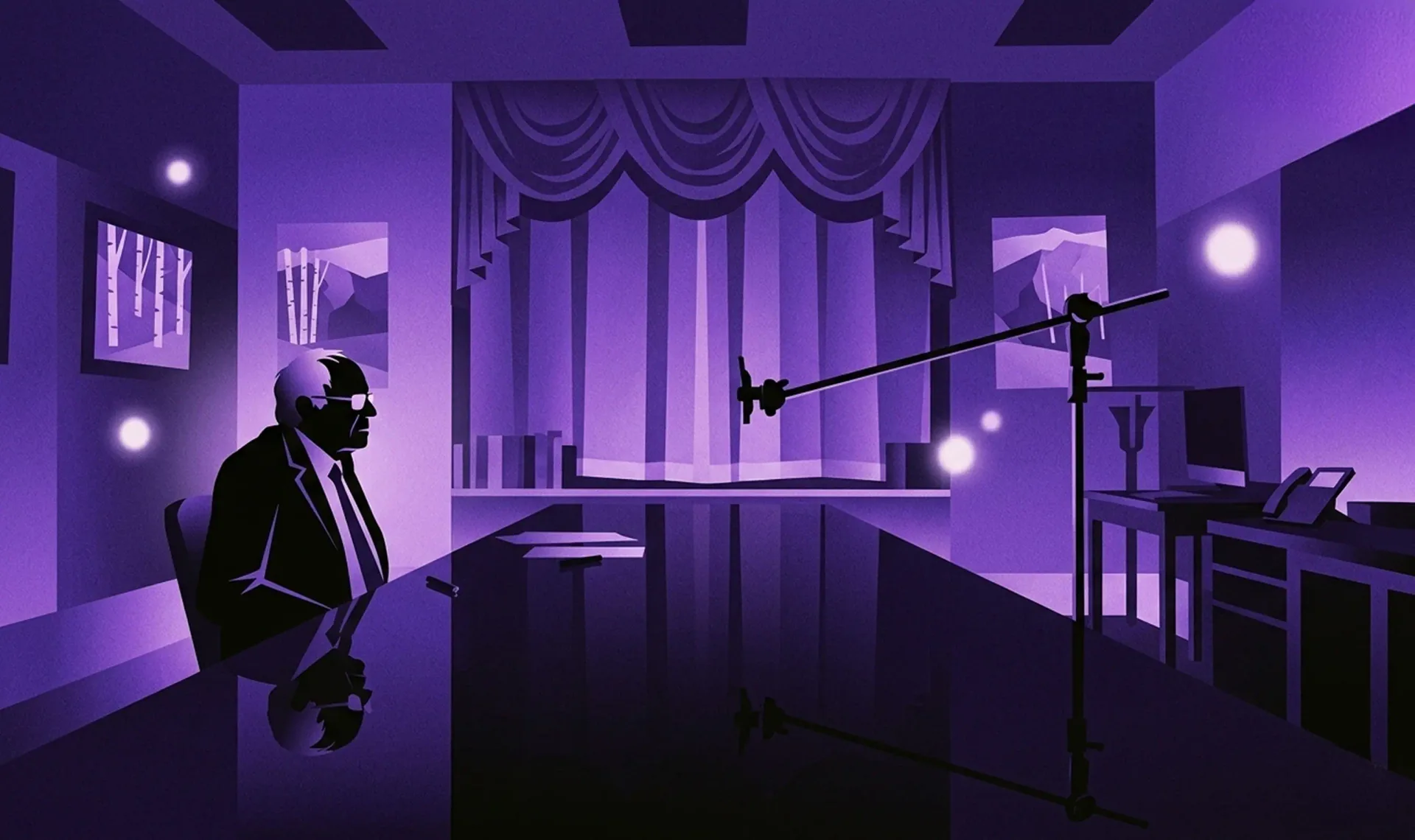
"Bernie vs. Claude" and the illusion of an "objective" AI
Are you getting an objective answer from AI? Probably not. You are talking to a "role" the AI is playing, and that role changes with every conversation.
Finding a product designer job in Vietnam: what I learned after many applications
Vietnam's UX market is splitting sharply, the door into the profession is narrowing because of AI, and employers hire on gut feeling more than you might think. Understanding the real rules of the game is a big advantage you can prepare as you look for a job that fits you.
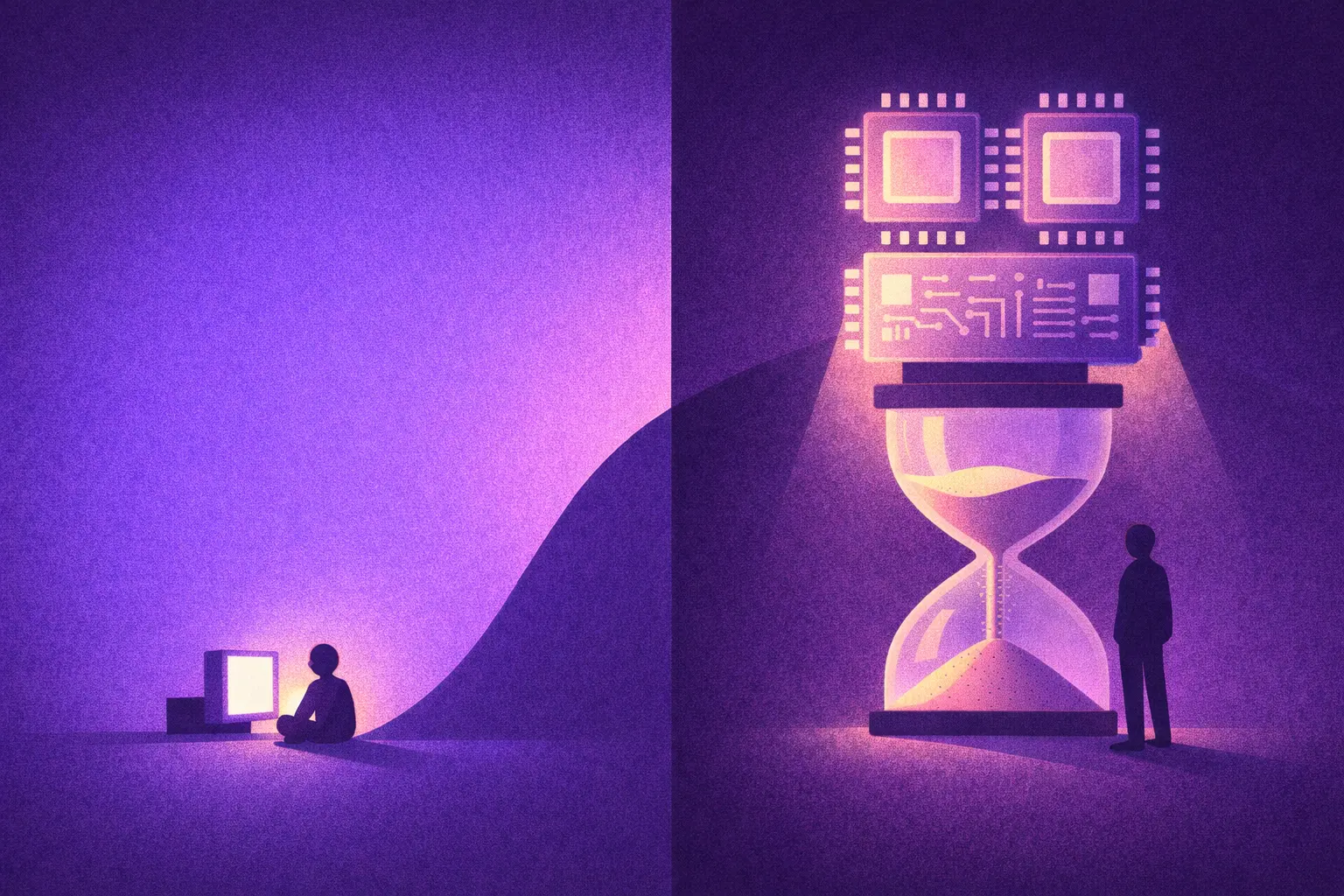
When AI needs time to "think": designing UX for long-running tasks
Here is the paradox - the more powerful AI gets, the "slower" it becomes. As the technology starts solving problems as complex as the ones people handle, the experience of interacting with it has to change too. If the experience can't keep up with the power of the technology, users will walk away, no matter how smart the AI is.
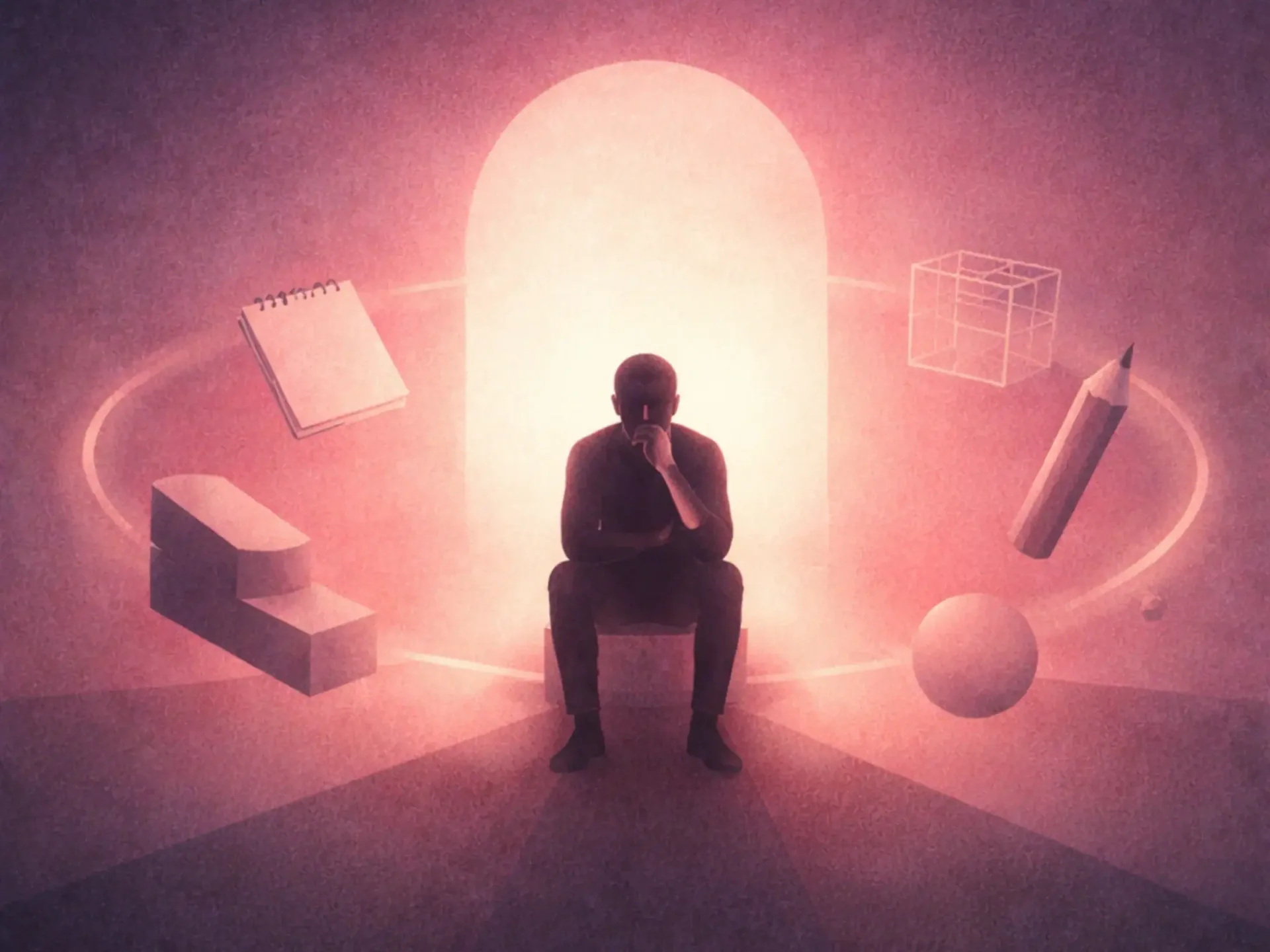
AI-native designer: designing in the AI era and rethinking the old design process
AI does not replace the design thinking of people who build products. It amplifies it exponentially. The designer's pivotal role now is knowing when to bring AI in, when to stay in control, and making sure every solution serves people and business goals.
Beyond words: the future of AI interfaces goes past the chat box
Interacting through a chat box is only the first step. In the future, AI will dissolve into our tools so completely that it becomes an essential, invisible part of every interface we use.
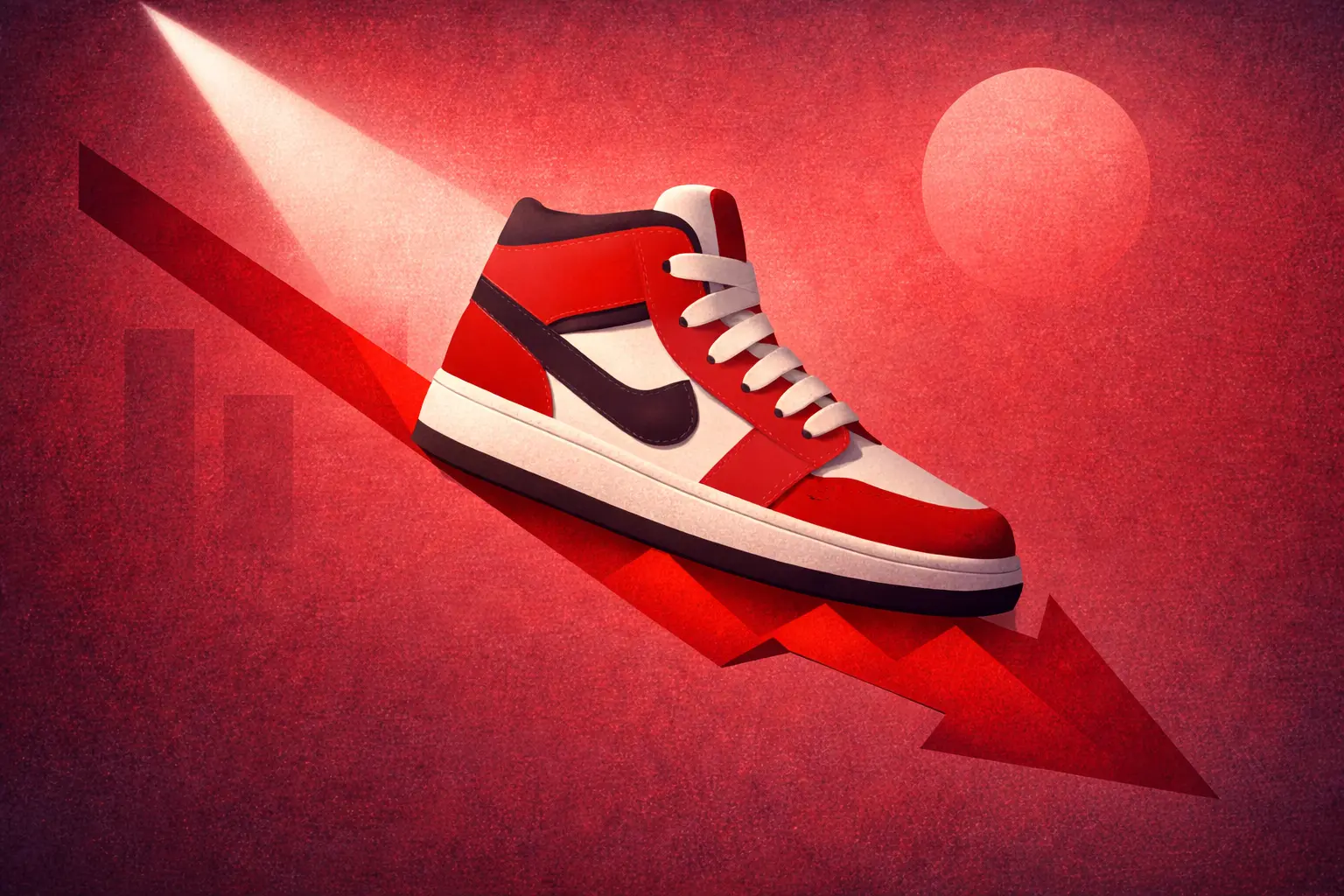
Why did sneaker hype fade? A user experience perspective
One day an old photo of a pair of "hype" sneakers resurfaced in my Facebook feed and left me with a question: why did something that was once a whole generation's obsession quietly fade away? Let's dig a little deeper and look for the answer through the lens of user experience and behavioral psychology.